Veronique Chen
Veronique Chen
Talk with Tea
Salisbury House, London
24 May 2025
Organiser: Veronique Chen, Aimilios Metaxas
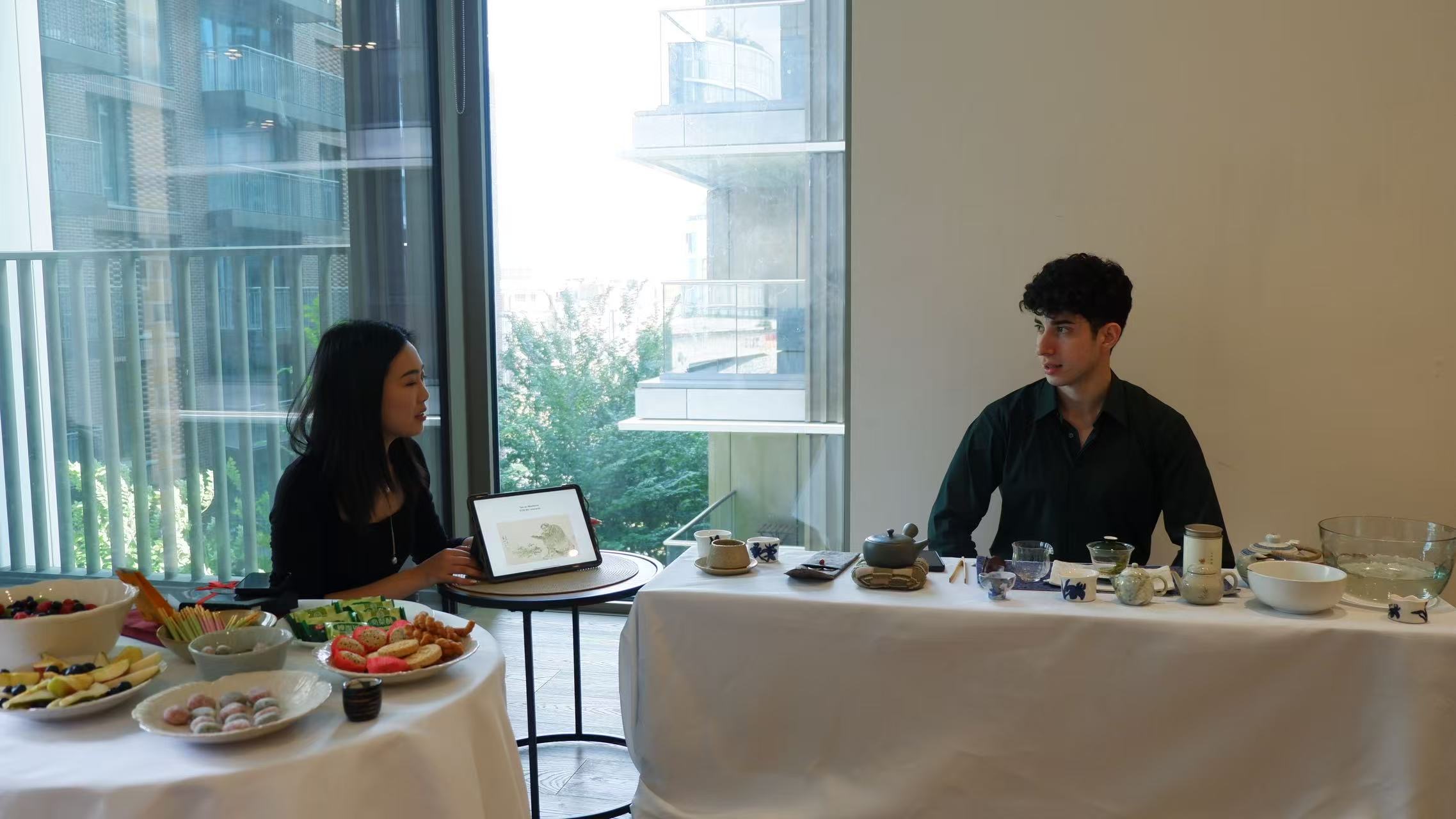
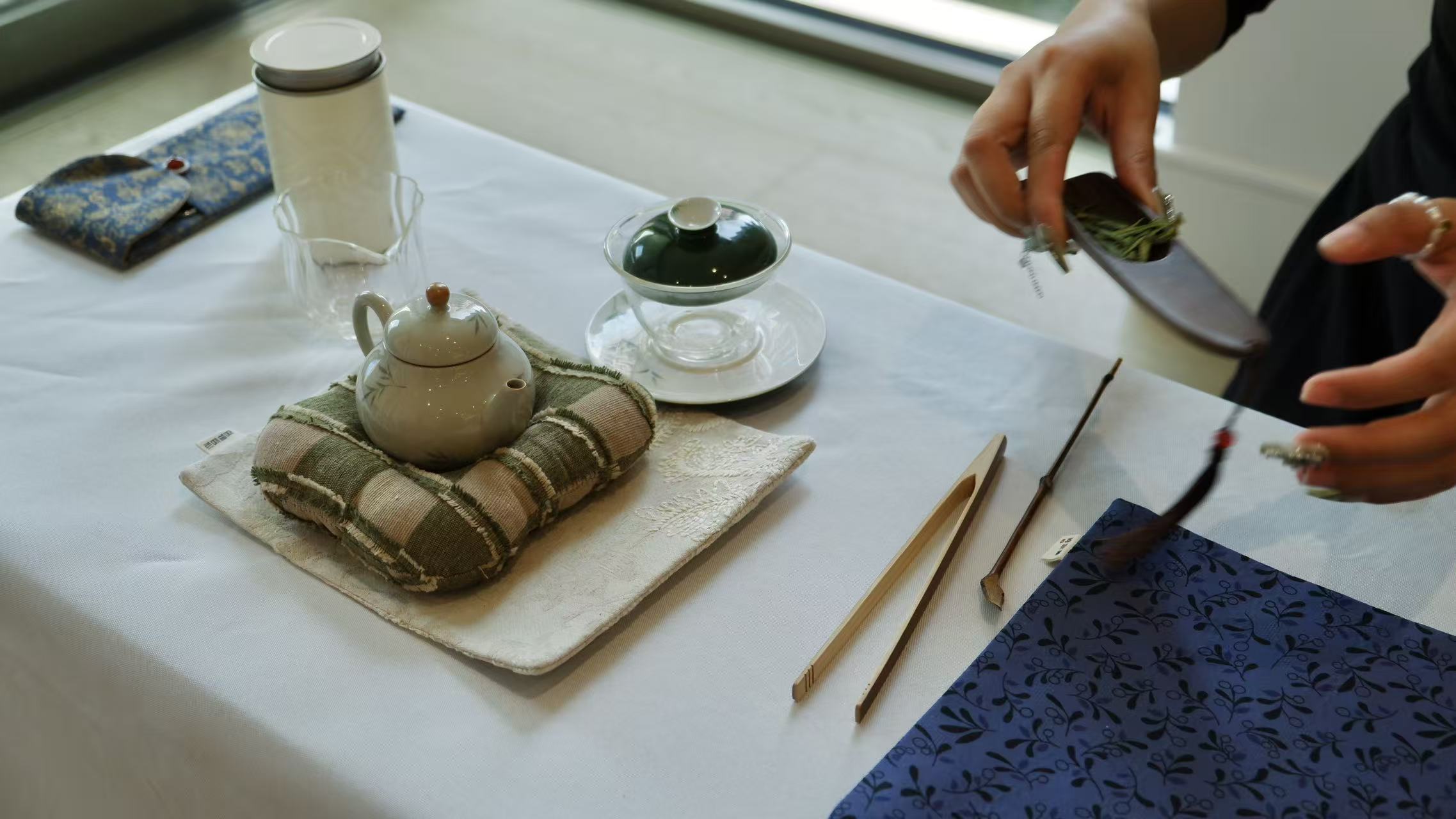
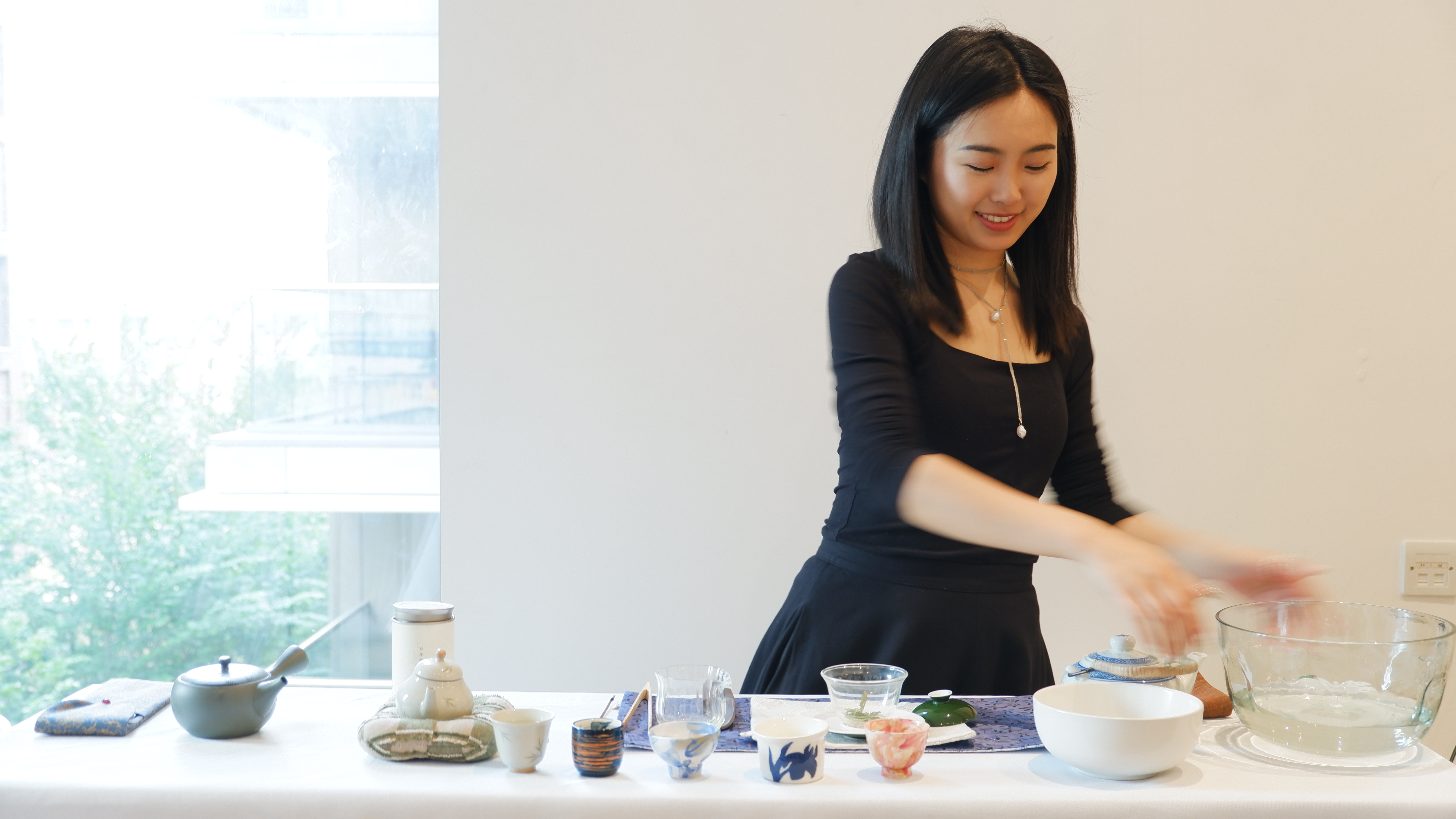
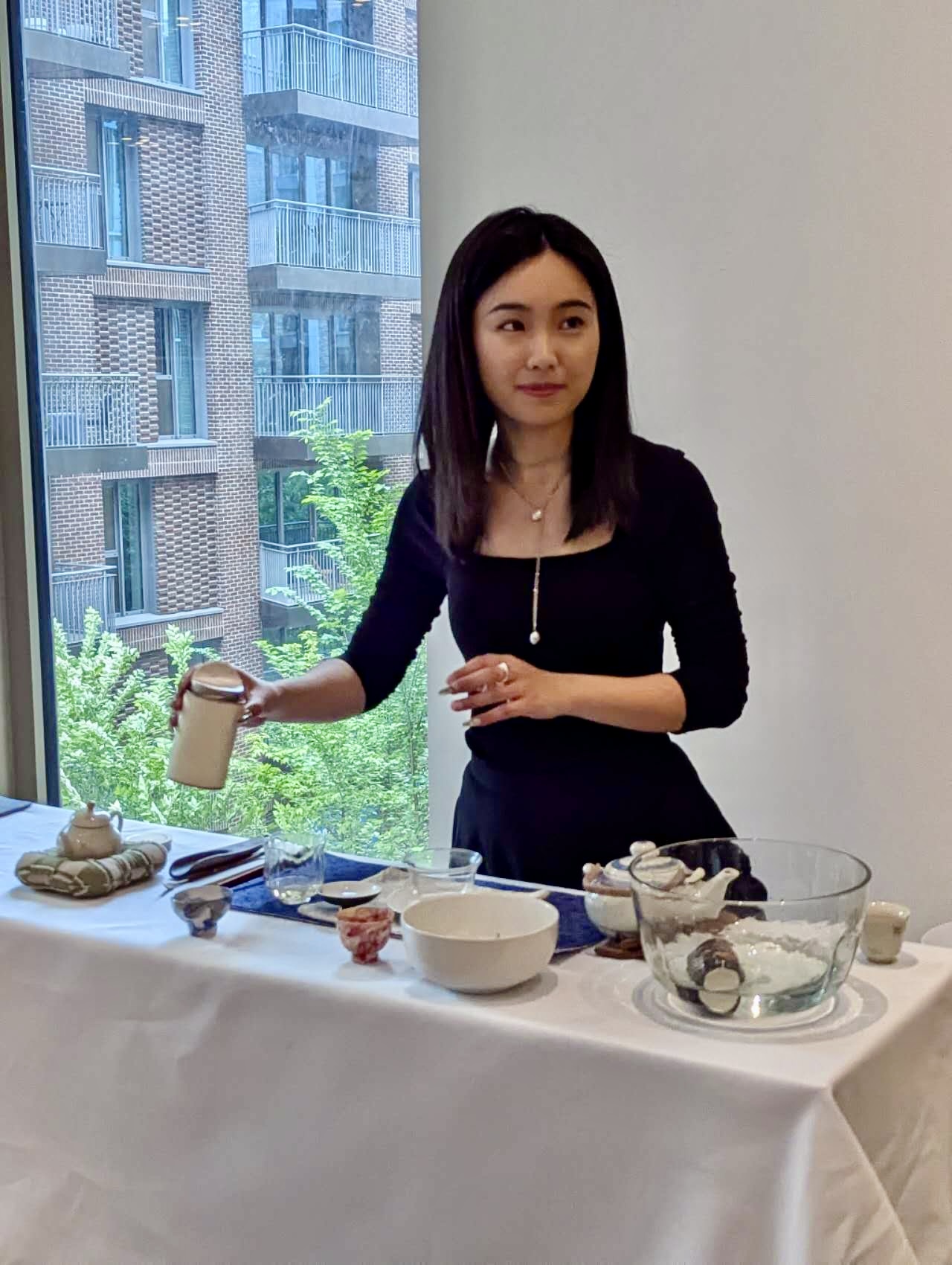
Talk with Tea was a participatory sharing session and conversation exploring tea, material culture and cross-cultural exchange. Beginning with a tasting of West Lake Longjing tea, the event used sensory experience as an entry point into broader discussions about history, global circulation and visual culture.
The session introduced the origins, production and drinking traditions of Longjing before tracing tea’s wider journey across regions and cultures. Through trade, travel and cultural exchange, tea gradually moved beyond its local contexts and became embedded within new social rituals, forms of consumption and material practices. In this sense, tea can be understood not simply as a beverage, but as a cultural medium connecting geography, identity, craftsmanship and global networks of exchange.
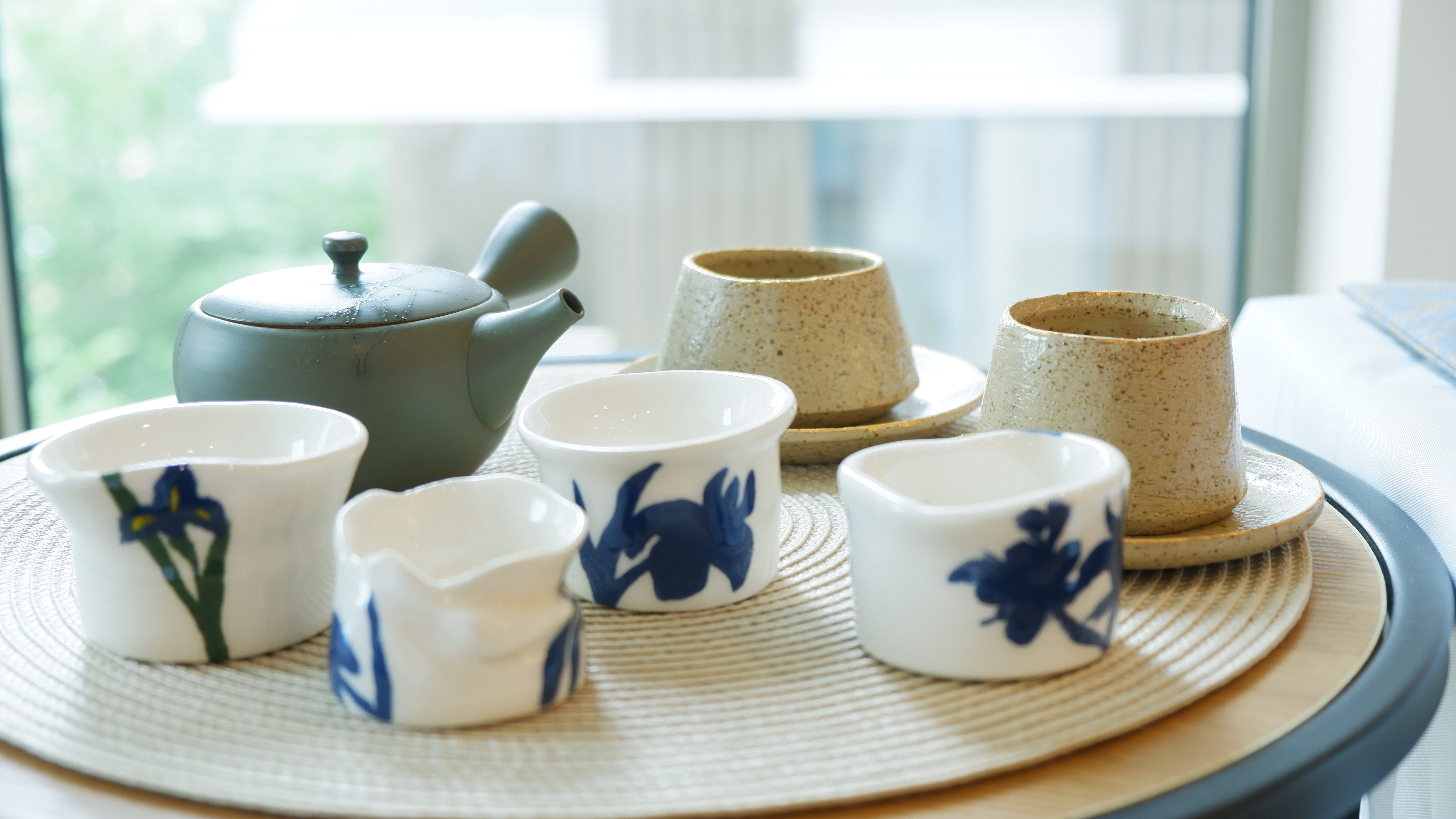
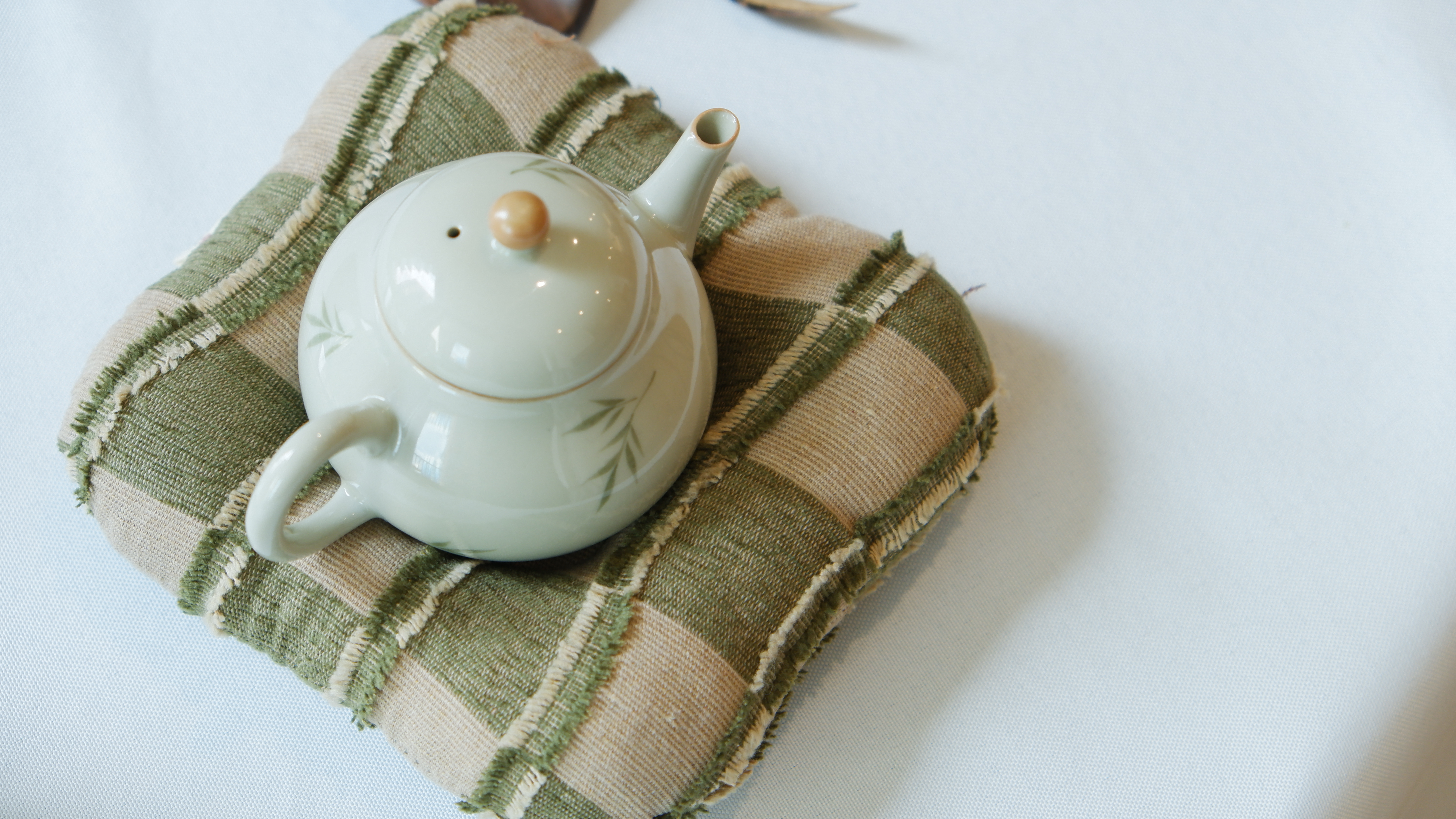
The discussion then turned to examples of tea ware in the collection of the Victoria and Albert Museum. Looking across Chinese ceramics, European tea services and objects shaped by different historical contexts, the session considered how tea ware can reveal processes of cultural encounter and translation. A teapot, cup or tea set carries a practical function, but it can also reflect changing ideas of taste, trade, status and the imagination of other cultures.
The event continued with a conversation between Chinese curator Veronique Chen and Greek artist Aimilios Metaxas, extending the discussion from historical objects into contemporary artistic practice. Together, we explored how tea ware can move beyond its everyday function to become a sculptural form, symbolic object or narrative device, and how vessels may relate to the body, ritual, memory and cultural identity.
Talk with Tea approached tea drinking as a method of collective observation, sensory engagement and conversation. By bringing together tasting, museum collections and contemporary artistic perspectives, the event reconsidered tea and its associated objects as both familiar elements of everyday life and evolving cultural carriers that continue to acquire new meanings across time and place. The tea table became a small cross-cultural space in itself, where histories, objects and contemporary artistic practices could meet through the simple act of sharing tea.